Can HBOT Help Chronic Lyme Disease Symptoms? A Look at the Evidence
Finishing treatment for Lyme disease does not always mean feeling well right away. Some people continue to experience exhaustion, pain, and difficulty thinking for months. These symptoms are real and can disrupt work, relationships, and daily routines.
For people exploring additional care, hyperbaric oxygen therapy for Lyme disease often raises a question: can breathing oxygen under pressure help with persistent symptoms? At NorCal Hyperbarics, we believe that question deserves a careful answer. HBOT has a proposed biological rationale and limited early research, but it has not been proven to cure Lyme disease or post-treatment symptoms.
Understanding Chronic Lyme Disease and Persistent Symptoms
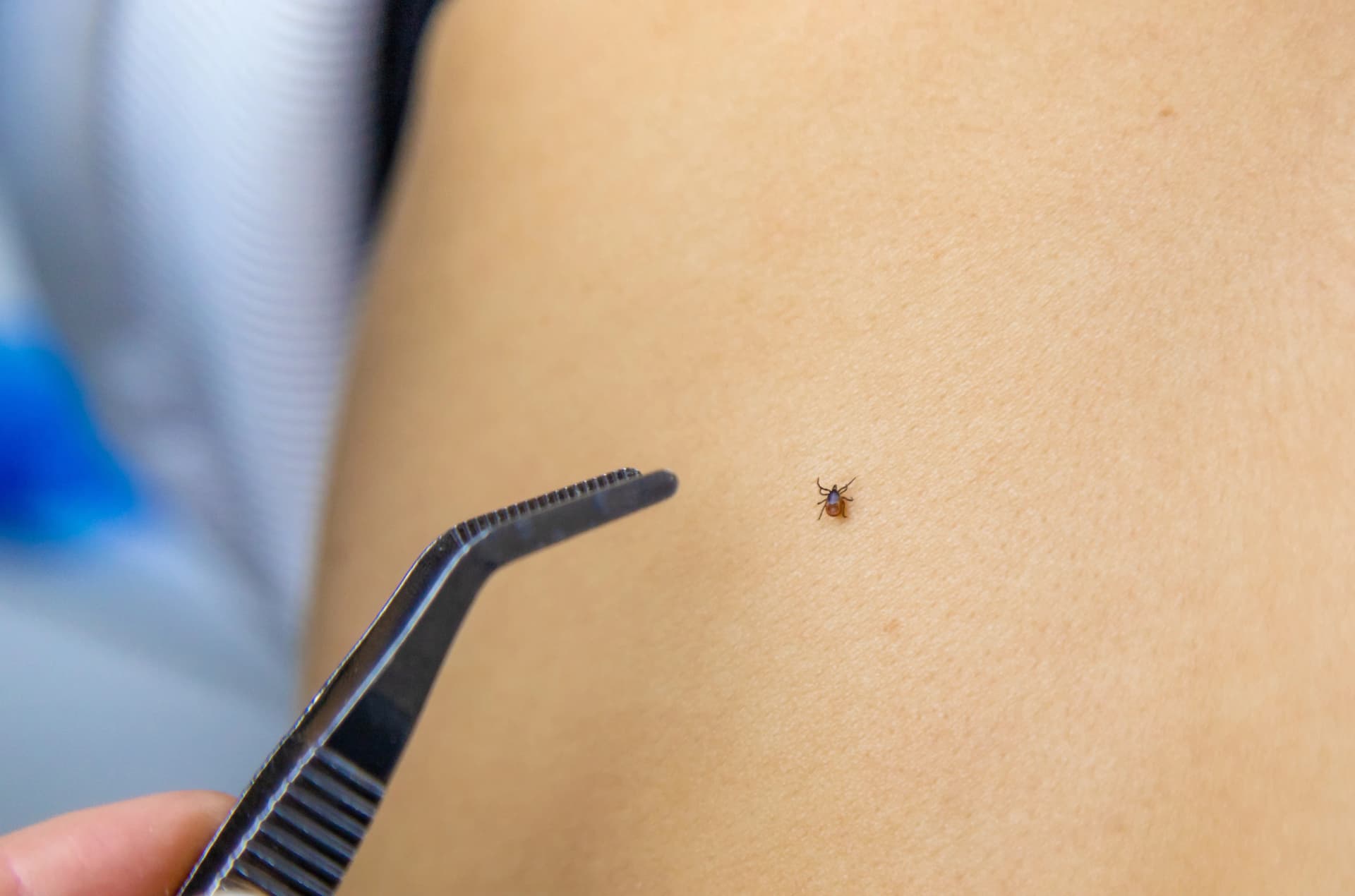
Lyme disease is a bacterial infection transmitted through infected black-legged tick bites. In the United States, most people recover after a recommended course of antibiotics. Others continue to experience symptoms even after treatment is complete.
Post-Treatment Lyme Disease Syndrome (PTLDS)
Post-treatment Lyme disease syndrome, or PTLDS, describes prolonged symptoms following treatment for Lyme disease. The symptoms can include fatigue, body aches, and difficulty thinking.
The phrase chronic Lyme disease is also widely used, but it can mean different things to different people. The CDC prefers PTLDS when referring to symptoms that persist after recommended treatment because the cause is not yet known. Persistent symptoms do not, by themselves, establish that bacteria remain active in the body.
Why Symptoms Can Linger After Antibiotics
Researchers are still studying why some people recover quickly while others do not. Possible explanations include effects of the original infection, changes in the immune system, and other health conditions with overlapping symptoms. No single explanation has been confirmed for every patient.
That uncertainty makes a thorough evaluation valuable. Sleep disorders, medication effects, other infections, and unrelated medical conditions may also contribute to fatigue or pain. If your symptoms continue, your clinician can review your original diagnosis, treatment history, and current concerns before recommending next steps.
How Chronic Lyme Affects the Body
Persistent Lyme disease symptoms can look different from person to person. Some people are most affected by physical pain; others find that changes in energy or concentration have the greatest impact.
Fatigue and Joint Pain
Fatigue may make ordinary activities feel unusually demanding. Joint and muscle pain can also limit movement, exercise, or sleep. For example, someone who previously managed a full workday may now need frequent breaks and struggle to recover after routine activity.
These symptoms deserve attention even when standard tests do not fully explain them. Discussing which activities have become difficult helps your care team focus on practical goals, such as improving daily function and managing pain.
Brain Fog and Neurological Symptoms
Some Lyme disease patients describe brain fog as trouble concentrating, remembering information, or finding words. Lyme disease can also affect the nervous system, though new numbness, weakness, facial drooping, or other neurological changes require medical assessment rather than an assumption that they are part of PTLDS.
Keeping a short record of symptoms can help. Note when they began, how often they occur, and whether they change with sleep, activity, or treatment. This gives your clinician more useful information than a general description of feeling unwell.
The Rationale for HBOT in Lyme Disease
During hyperbaric oxygen therapy (HBOT), a patient breathes pure oxygen inside a pressurized chamber. The pressure increases the amount of oxygen carried in blood plasma and delivered to tissues. Researchers and clinicians have explored whether these changes might have a role in persistent symptoms, but a plausible mechanism is not proof of clinical benefit for PTLDS.
Oxygen and the Borrelia Bacteria
Lyme disease is caused by Borrelia bacteria. Early investigators proposed that increased oxygen exposure might affect the organism under certain conditions. A Texas A&M research group explored that idea in an early report on HBOT and Lyme disease.
Laboratory reasoning, however, does not establish what happens in a person after a completed antibiotic course. Current evidence does not show that HBOT reliably eliminates Borrelia in patients with persistent symptoms. It should not replace antibiotics when a clinician diagnoses an active infection.
Reducing Inflammation and Supporting Tissue Repair
HBOT can raise tissue oxygen levels, and its effects on inflammation and repair have been studied in other medical conditions. This creates a reason to investigate whether it could help some people with persistent pain or fatigue. It does not yet tell us whether HBOT improves those outcomes in PTLDS.
Our hyperbaric oxygen therapy information for chronic Lyme symptoms explains NorCal Hyperbarics’ approach. We discuss potential goals in the context of each patient’s medical history and existing care.
What the Research Currently Shows
Research on HBOT for persistent Lyme symptoms remains limited. In a 1998 Texas A&M meeting abstract, patients reported symptom improvement following a series of treatments. The report did not include a comparison group receiving a placebo or another treatment. Without that comparison, it cannot show that HBOT caused the improvements or establish how many patients might benefit.
Information from providers such as National Hyperbaric discusses that early work, but an encouraging report is not the same as a large, controlled clinical trial. We cannot say that HBOT effectively treats PTLDS on the strength of the available evidence. At present, HBOT for Lyme-related persistent symptoms is investigational, and it is not a cure.
What an HBOT Protocol for Lyme Typically Looks Like
There is no established, evidence-based HBOT protocol for PTLDS. NorCal’s site describes programs that may involve 40 or more sessions, coordinated with a patient’s other clinicians. That figure describes an approach used by the practice, not a proven number of treatments for Lyme-related symptoms.
Before discussing sessions, we would review your diagnosis, prior treatment, current symptoms, and health history. A consultation is also the time to discuss practical considerations, including scheduling, costs, expected goals, and possible side effects. HBOT can cause ear or sinus pressure problems and has other risks that a qualified clinician should assess for each patient.
Is HBOT Right for Your Lyme Symptoms?
Start with a clinician who can evaluate persistent symptoms and determine whether further testing or treatment is needed. If you have a recent tick bite or new symptoms suggesting untreated Lyme disease, seek medical care promptly; HBOT is not a substitute for the antibiotics used to treat Lyme disease.
If you have completed treatment and are considering HBOT, ask what specific improvement you hope to measure. More energy for daily tasks, less disruption from pain, or better concentration are clearer goals than a promise to eliminate every symptom.
HBOT for Chronic Lyme at NorCal Hyperbarics (Concord, CA)
At NorCal Hyperbarics, we meet with people seeking answers about persistent symptoms and the possible role of HBOT. We can review whether you may be a candidate, explain the treatment process, and discuss its limits alongside your existing medical care. We will not promise that HBOT will cure an infection or resolve PTLDS.
If you would like to explore your options, Request a Consultation with our team in Concord, CA.
Call us: (925) 555-0180 | Concord, CA | www.norcalhbo.com
Advanced Healing & Wellness
How To Get Started with Your Tailored Hyperbaric Oxygen Therapy Sessions
From comprehensive assessments to personalized treatments and ongoing support, our approach ensures that every stage is aligned with your specific needs, helping you heal faster, feel stronger, and achieve lasting results.
Thorough Health Assessments to Understand Your Unique Needs

Developing a Hyperbaric Oxygen Therapy Regimen Just for You

Providing Support Throughout Your Healing Journey

Comprehensive Solutions for Lasting Health and Wellness
Discover our wide range of targeted therapies designed to enhance well-being, address chronic conditions, and support optimal health. Each treatment is customized to meet your unique needs, promoting recovery and vitality.


Begin Your Healing Journey with NorCal Hyperbarics
Declining health isn’t permanent. Whether addressing specific challenges or age-related changes, NorCal Hyperbaric’s personalized therapy can enhance your quality of life.

