Traumatic Brain Injury Treatment Options: What Helps Recovery After the Hospital
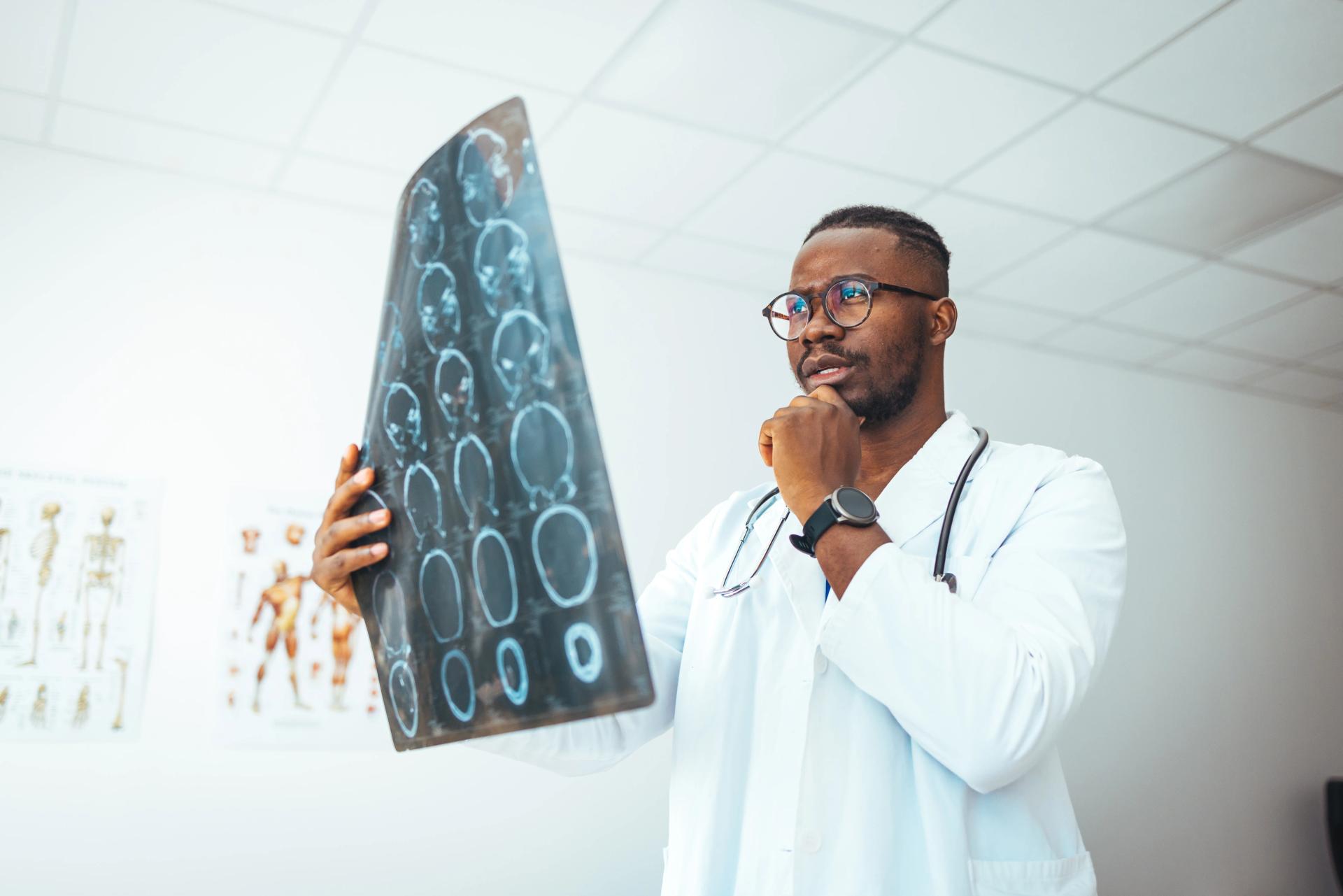
A traumatic brain injury (TBI) can affect much more than physical health. Changes in memory, concentration, balance, mood, and energy may continue long after someone leaves the hospital. For patients and their families, understanding the next steps is essential to navigating recovery.
Fortunately, traumatic brain injury therapy offers several approaches to managing symptoms and rebuilding everyday skills. From physical rehabilitation to cognitive support, treatment focuses on helping individuals regain independence and improve their quality of life.
At NorCal Hyperbarics, we recognize that every recovery journey is different. Understanding established rehabilitation methods and emerging therapies can help patients make informed decisions about their care.
Why TBI Treatment Doesn't End at the Hospital
Hospital care addresses immediate injuries, but healing often continues for months or longer. Effective traumatic brain injury treatments consider both the initial damage and the challenges that may appear during recovery.
Acute Care vs. Long-Term Recovery
Immediately after head trauma, medical teams prioritize stabilizing the patient, preventing additional brain damage, and identifying complications such as bleeding or swelling. Depending on the injury, emergency treatment may involve imaging, medications, monitoring, or surgery.
Once the patient is medically stable, attention shifts toward rehabilitation. Long-term care addresses physical limitations, cognitive impairments, and emotional changes that interfere with daily activities. This transition is important because recovery involves more than healing the original injury.
How Severity (Mild, Moderate, Severe) Shapes Treatment
The severity of a traumatic brain injury (TBI) influences the type and intensity of rehabilitation needed. However, even injuries classified as mild can cause persistent symptoms.
Treatment generally varies according to the following categories:
Mild TBI: Often involves concussion symptoms such as headaches, dizziness, fatigue, or difficulty concentrating. Persistent symptoms may require targeted rehabilitation.
Moderate TBI: May involve longer periods of confusion or loss of consciousness, with rehabilitation addressing movement, memory, and daily functioning.
Severe TBI: Can involve substantial neurological damage, sometimes including a skull fracture, and may require extended multidisciplinary care.
The affected part of the brain also matters. Two patients with similar injury classifications may experience different symptoms and require different recovery plans.
Common Traumatic Brain Injury Therapies
There is no single approach that addresses every consequence of a brain injury. Instead, healthcare professionals combine traumatic brain injury therapies according to each patient's symptoms, abilities, and recovery goals.
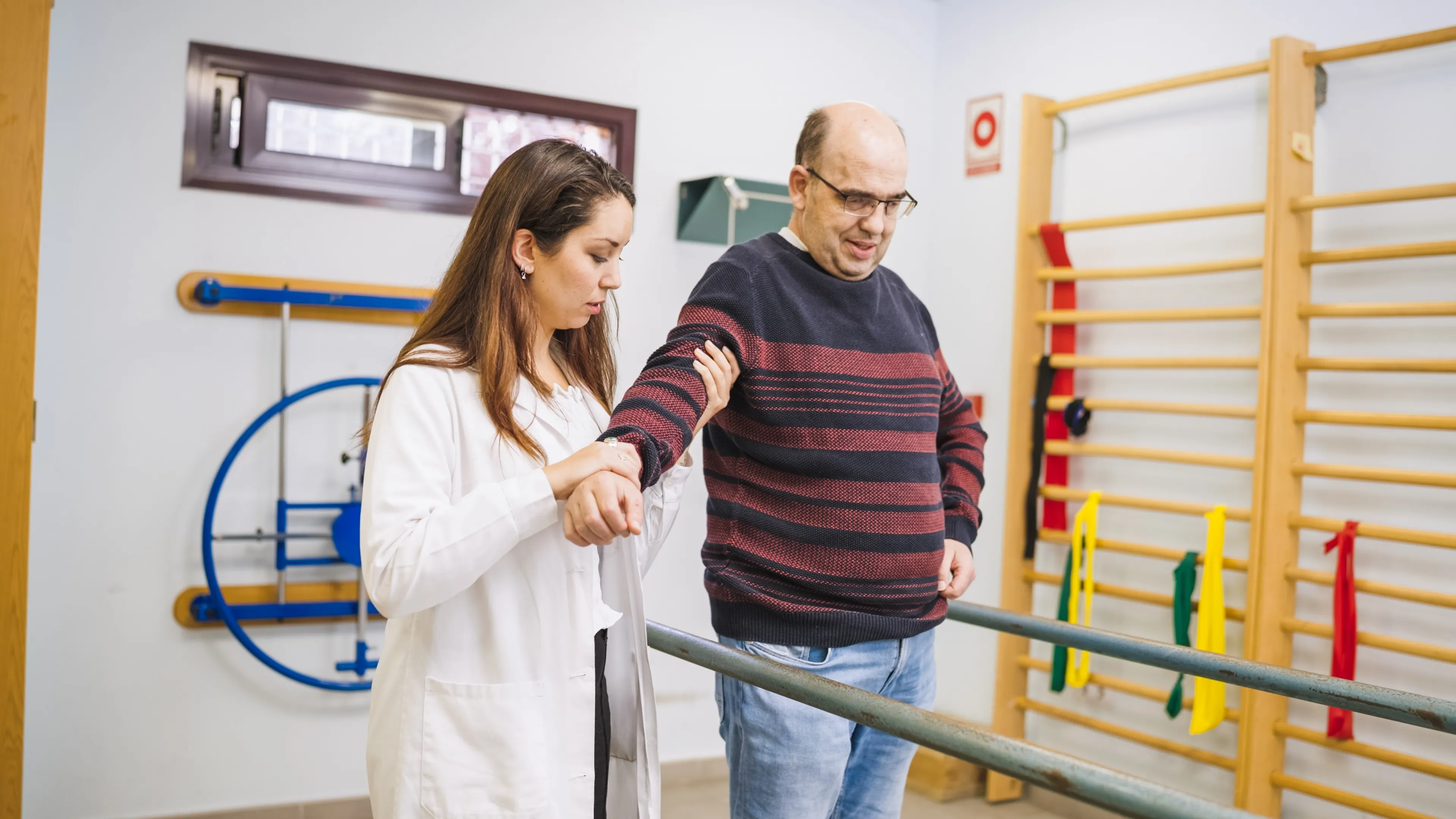
Physical Therapy and Vestibular Rehabilitation
Physical therapy helps patients improve strength, coordination, mobility, and balance after an injury. Rehabilitation may include supervised exercises, walking practice, and gradual movement training.
When dizziness or balance problems persist, vestibular rehabilitation may help patients manage motion sensitivity and improve stability. These exercises are adjusted according to symptoms and individual tolerance.
Occupational Therapy
Occupational therapy focuses on rebuilding the practical skills needed for everyday independence. Patients may work on dressing, preparing meals, managing household responsibilities, or returning to work.
Therapists also recommend adaptive strategies and environmental modifications when necessary. The goal is to make daily activities safer and more manageable while supporting long-term independence.
Speech and Cognitive Rehabilitation
Brain injury therapy often includes speech-language services and cognitive rehabilitation. These approaches address difficulties involving communication, attention, memory, organization, and problem-solving.
For example, therapists may introduce memory aids, structured routines, and exercises that support specific brain functions. Treatment is designed around meaningful activities rather than relying exclusively on repetitive cognitive tasks.
Medications for Symptom Management
Medication may be included in a TBI treatment plan to address headaches, sleep disturbances, mood changes, or other persistent symptoms. The appropriate prescription depends on the patient's medical history and current condition.
Because certain medications can affect alertness or cognitive performance, healthcare providers carefully evaluate potential side effects. Medication management works best when coordinated with rehabilitation and ongoing medical monitoring.
Mental Health Support
Emotional recovery deserves the same attention as physical rehabilitation. Anxiety, depression, frustration, and changes in behavior can affect patients and their family members throughout recovery.
Counseling, psychological support, and family education can help individuals adapt to these changes. Mental health care also provides practical strategies for managing stress and maintaining supportive relationships.
What Brain Trauma Rehabilitation Looks Like Over Time
Brain trauma rehabilitation is rarely a straight path. Some patients notice substantial improvements during the first several months, while others experience gradual changes over a longer period.
Recovery typically involves different priorities as patients regain abilities and encounter new challenges:
Early recovery: Managing symptoms, establishing safe activity levels, and beginning appropriate rehabilitation.
Active rehabilitation: Improving movement, communication, cognitive performance, and everyday independence.
Long-term management: Addressing persistent symptoms, adjusting rehabilitation goals, and supporting participation in work and social activities.
Progress can fluctuate, particularly when fatigue, poor sleep, or emotional stress affects performance. Regular assessments help rehabilitation teams identify improvements and modify treatment plans.
Patients wondering what happens beyond the initial recovery period can also explore our related article, Long-Term Effects of Traumatic Brain Injury: What to Expect During Recovery, for additional information about ongoing symptoms and rehabilitation.
Hyperbaric Oxygen Therapy as Part of TBI Treatment
Alongside established rehabilitation methods, researchers have investigated whether hyperbaric oxygen therapy could influence certain biological processes associated with brain injuries.
At NorCal Hyperbarics, we provide information about this developing area of research while emphasizing that HBOT is not an FDA-approved treatment for TBI and should not replace standard medical care.
How HBOT Supports Injured Brain Tissue
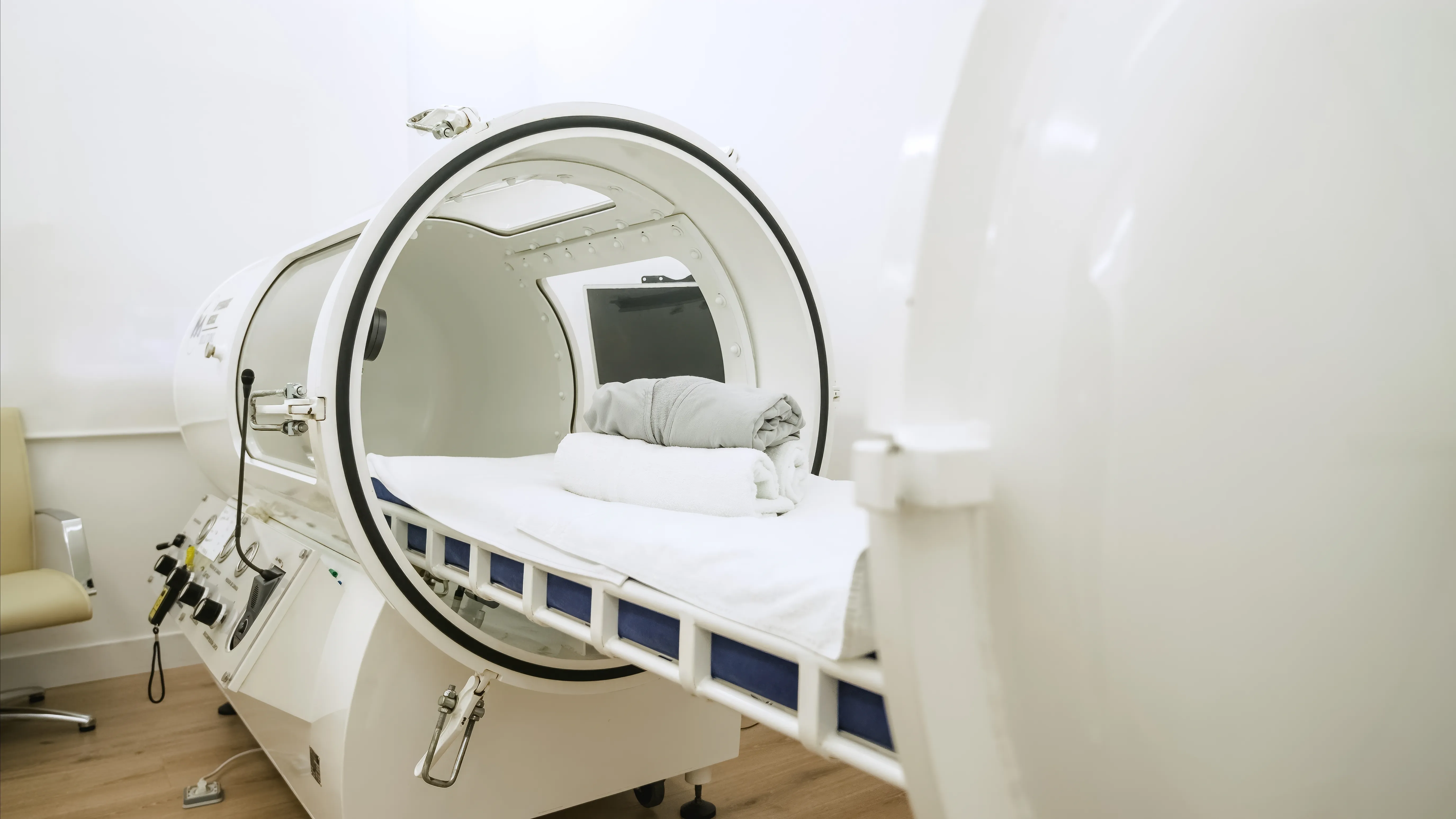
Hyperbaric oxygen therapy involves breathing pure oxygen inside a pressurized chamber. The increased atmospheric pressure allows more oxygen to dissolve into the blood plasma, increasing oxygen availability throughout the body.
Researchers studying brain injury hyperbaric oxygen therapy are investigating whether increased oxygen exposure can influence inflammation, cellular metabolism, and neuroplasticity.
These biological mechanisms provide a scientific rationale for further research. However, increasing oxygen delivery does not necessarily mean damaged brain tissue will recover or that patients will experience meaningful neurological improvements.
What the Research Shows
Studies examining hyperbaric oxygen therapy for brain trauma have produced mixed findings. Some smaller studies report improvements in cognitive performance or selected symptoms, while larger controlled trials have not consistently demonstrated additional benefits over comparison treatments.
Research continues to investigate whether certain patient populations might respond differently. However, existing evidence does not establish HBOT as an effective routine treatment for traumatic brain injury.
The 2021 VA/DoD clinical practice guideline recommends against HBOT for symptoms attributed to mild TBI. This distinction matters when evaluating treatment claims, especially for patients experiencing persistent post-concussion symptoms.
What a Typical HBOT Protocol Looks Like
Our hyperbaric oxygen therapy for traumatic brain injury page describes a typical program of 40 to 60 sessions, depending on individual circumstances.
This reflects our clinic's described approach, not an established or medically recommended TBI treatment protocol. There is currently no universally accepted HBOT schedule proven to improve TBI recovery.
Before considering HBOT for TBI, patients should discuss the uncertain benefits, possible risks, financial considerations, and available clinical trials with their treating physician. HBOT for TBI remains investigational, and insurance coverage should not be assumed.
Is There a Cure for TBI?
Many patients search for a TBI cure when symptoms interfere with their ability to work, communicate, or enjoy daily activities. Unfortunately, there is no universal treatment that reverses every type of traumatic brain injury.
Recovery depends on several factors, including injury severity, age, medical history, and access to appropriate rehabilitation. Some individuals recover substantially, while others continue managing long-term effects.
Although no single therapy guarantees recovery, personalized treatment can help patients improve specific abilities and develop strategies for managing persistent challenges. The focus should remain on measurable progress, realistic expectations, and long-term well-being.
How to Build the Right TBI Treatment Plan
Choosing treatment for traumatic brain injury starts with understanding the patient's symptoms, medical needs, and functional limitations. A comprehensive assessment helps identify which rehabilitation services may be most beneficial.

When developing a treatment plan, patients and caregivers should consider several important steps:
Complete a medical evaluation: Identify neurological symptoms, complications, and conditions requiring specialized attention.
Establish rehabilitation goals: Focus on meaningful improvements in mobility, communication, cognition, and independence.
Coordinate care: Encourage communication among physicians, therapists, mental health professionals, and caregivers.
Monitor progress: Reassess symptoms and functional abilities as recovery continues.
Evaluate additional options carefully: Review the evidence, risks, and costs before considering investigational interventions.
Whether someone needs treatment for head trauma after a motor vehicle accident or support for lingering concussion symptoms, an individualized plan provides a practical foundation for rehabilitation.
Frequently Asked Questions
How do you treat a TBI?
If you're wondering how to treat a TBI, the first step is obtaining appropriate medical evaluation. Emergency treatment may address bleeding, swelling, or other complications, while subsequent rehabilitation focuses on persistent physical, cognitive, and emotional symptoms.
Treatment may combine physical therapy, occupational therapy, cognitive rehabilitation, medications, and psychological support. The specific approach depends on injury severity and individual recovery needs.
Can a brain injury still improve years later?
Yes. Some patients continue developing functional skills or adapting to neurological changes years after an injury, although the extent of improvement varies considerably.
Neuroplasticity allows the brain to reorganize certain connections through learning and experience. Rehabilitation may help patients strengthen useful skills and develop compensatory strategies, even when complete recovery is not possible.
Is hyperbaric oxygen therapy safe for TBI patients?
HBOT has recognized medical applications, but its safety and effectiveness specifically for TBI remain uncertain. Possible risks include ear or sinus pressure injuries, temporary vision changes, and, rarely, oxygen-related seizures.
Clinical screening and appropriate supervision are important, but they do not eliminate these risks. Current guidelines recommend against HBOT for mild TBI symptoms, so patients should consult their treating medical team before considering it.
TBI Treatment Support at NorCal Hyperbaric in Concord, CA
Recovering from a traumatic brain injury requires patience, appropriate medical guidance, and an individualized approach. Understanding available rehabilitation options helps patients and families make informed decisions throughout the process.
At NorCal Hyperbarics in Concord, CA, we offer consultations for individuals interested in learning about hyperbaric oxygen therapy and its limitations. We can discuss our services, explain the investigational status of HBOT for TBI, and help you understand what questions to raise with your existing healthcare team.
Request a Consultation to learn more about our approach and whether a consultation is appropriate for your circumstances.
Call us: (925) 555-0180 | Concord, CA | www.norcalhbo.com
Advanced Healing & Wellness
How To Get Started with Your Tailored Hyperbaric Oxygen Therapy Sessions
From comprehensive assessments to personalized treatments and ongoing support, our approach ensures that every stage is aligned with your specific needs, helping you heal faster, feel stronger, and achieve lasting results.
Thorough Health Assessments to Understand Your Unique Needs

Developing a Hyperbaric Oxygen Therapy Regimen Just for You

Providing Support Throughout Your Healing Journey

Comprehensive Solutions for Lasting Health and Wellness
Discover our wide range of targeted therapies designed to enhance well-being, address chronic conditions, and support optimal health. Each treatment is customized to meet your unique needs, promoting recovery and vitality.


Begin Your Healing Journey with NorCal Hyperbarics
Declining health isn’t permanent. Whether addressing specific challenges or age-related changes, NorCal Hyperbaric’s personalized therapy can enhance your quality of life.

